
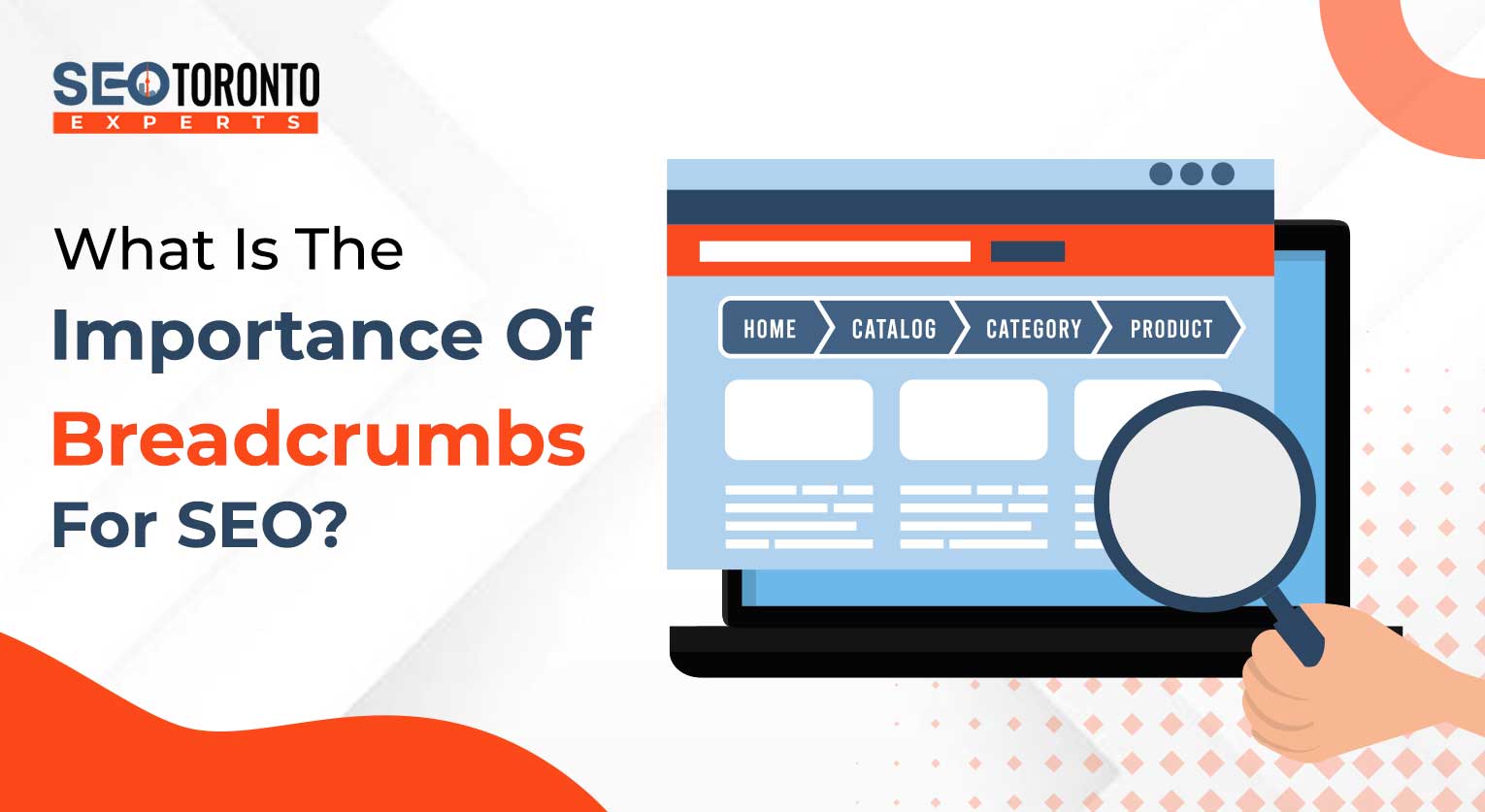
Breadcrumbs might not be new to SEO, but their importance has never faded. It is a standard aid on websites, especially the large ones with many layers.
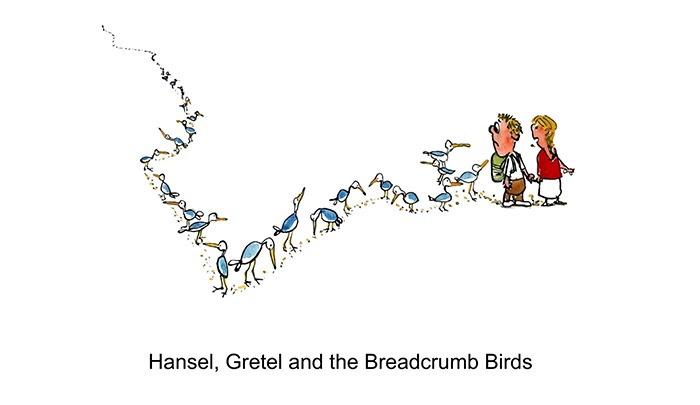
All of us have heard the famous Hansel & Gretel story, where the pair of siblings ventured into the forest, and they left the breadcrumbs behind to ensure they don’t forget the path & if they do, they can trace them back to reach home. In SEO, breadcrumbing serves a similar purpose.
When visitors navigate through a website, they often click multiple links and sometimes they end up on pages they didn’t originally intent to visit. In such situations, breadcrumbs make it easy for them to find their way back, preventing confusion and reducing the chances of users abandoning the site midway. That shows how important breadcrumbs are in SEO. Let’s explore this concept in more detail throughout our blog post!
What Is BreadCrumbs Navigation?
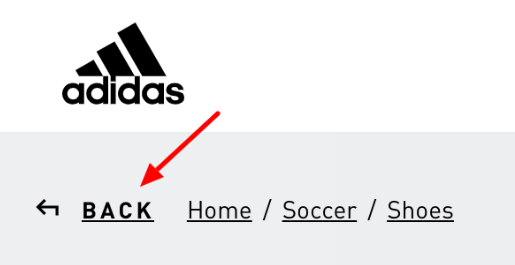
Breadcrumb navigation is a secondary navigation system that usually appears near the top of a webpage, just below the primary navigation menu. It shows the user’s location within the site’s hierarchy and helps them move easily between different levels or sections. There are several types of breadcrumbs, and the one you use determines how a page is categorized and how users trace their path through your site.
It clearly indicates to a user where they are on a website, which category or section they are viewing, and provides an easy way to backtrack to previous pages. This makes the whole navigation more intuitive and smooth.
Types Of Breadcrumb Navigation
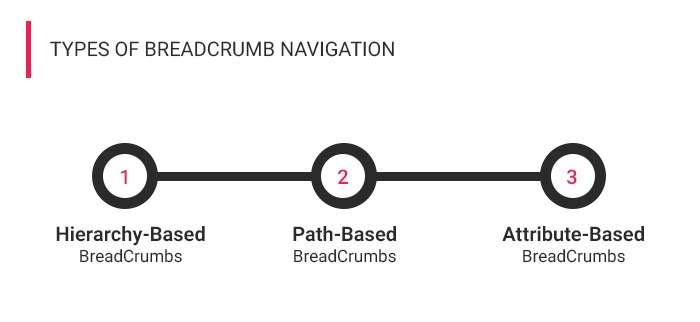
Based on how you want to trace the visitors back, breadcrumb navigation is divided into these types:
Hierarchy-Based Breadcrumbs

Hierarchy-based breadcrumbs, also called location-based breadcrumbs, show a page’s position within the site’s structure. They are particularly used when a website is complex, mainly in large blogs, content directories or e-commerce sites. To make the organization easier, these types of breadcrumbs include broader categories and nested subcategories. This design allows users to understand the relations between pages. For example, if a user is viewing a page, a product or an article, they can easily navigate back to a broader category to explore a related topic. So, overall, hierarchy-based breadcrumbs are useful when you want to help visitors easily switch between levels.
Path-Based Breadcrumb Navigation
Path-based breadcrumbs, also called history-based breadcrumbs, track the user’s journey through the site based on the sequence of pages they have clicked on to reach their current location. This kind of breadcrumbing is employed in websites where you need to fill form or there are multi-step processes. It’s also useful in apps or sites with interactive workflows. These breadcrumbs are dynamic and change according to the user’s navigation path.
Attribute-Based Breadcrumbs
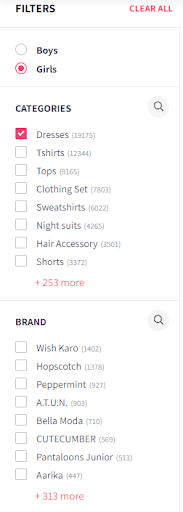
They are used to display meta information or product attributes in the breadcrumb trail, rather than the site’s hierarchy. They are commonly used on ecommerce sites or online stores, where products can be filtered or categorized by attributes such as brand, size or colour, etc. Suppose a user is browsing an ecommerce site looking for shoes. They will start their journey at the homepage, click Shoes, then Women’s Shoes, and finally Running Shoes. After that, they will filter the results to show only Black shoes in Size 7.
Your breadcrumb might look like this:
Home > Shoes > Women’s Shoes > Running Shoes > Color: Black > Size: 7
The first few links show your path through the site’s categories, while the last ones show the attributes they’ve selected. These breadcrumbs make it super easy to backtrack or tweak your filters without losing your place.
Forward or Look Ahead Breadcrumbs
These breadcrumbs are a bit different from the rest of the types because instead of showing your past path, they hint at what is coming next. So, basically, they are used to give users a preview of the steps or pages ahead.
You will often see this type of breadcrumbs in online checkouts, sign-up flows or tutorials.
What Are The Predominant Benefits Of SEO?
As we have learned what breadcrumbs are and explored their different types, we have also seen how useful they can be and where they are most commonly used. Now, let’s move on and take a look at their SEO benefits:
Site Organization

Using breadcrumbs, you can create a smooth experience for your users, as they would be able to see where they are on your site. They can intuitively explore your site with ease using breadcrumbs, as it clearly shows them how to get to a specific page, categories or more. They can quickly navigate back to higher-level pages without hitting the back button. This can immensely help users patiently explore your website without feeling confused.
Appear in SERP
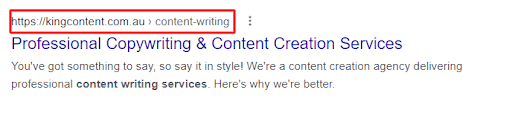
Google uses breadcrumbs to better understand the structure and context of your site’s content. They help search engines understand how a page fits with your overall site hierarchy. In this way, using breadcrumbs can improve your site’s visibility and click-through rate in search results.
Improve Internal Linking
Breadcrumbs create additional internal links that connect pages to their parent categories and other higher-level sections of your site. This not only helps users navigate more easily but also assists search engines in discovering and indexing your pages more effectively.
When you employ breadcrumbs, you form clear pathways between related pages, which can boost SEO and improve how your site ranks in search results.
Reduce Bounce Rate

Breadcrumbs make it easier for visitors to navigate your site and find related content. When users land on a page and see a clear path to other categories or pages, they are more likely to continue exploring rather than leave immediately.
By providing these navigation cues, breadcrumbs encourage users to stay longer, view more pages, and engage more with your content, which helps reduce your site’s bounce rate.
Bottomline
Breadcrumbs are an important part of your SEO strategy, especially if your site is a bit complex. They help you organize your site effectively, making it easy for users to explore all pages without feeling lost. Breadcrumbs offer multiple SEO benefits, improve user experience, and can significantly reduce bounce rate. The key is to implement the right type of breadcrumb in the right place!
For more SEO tips and insights, stay tuned to the SEO Toronto experts. We consistently bring fresh, helpful advice to help you grow your online presence.



